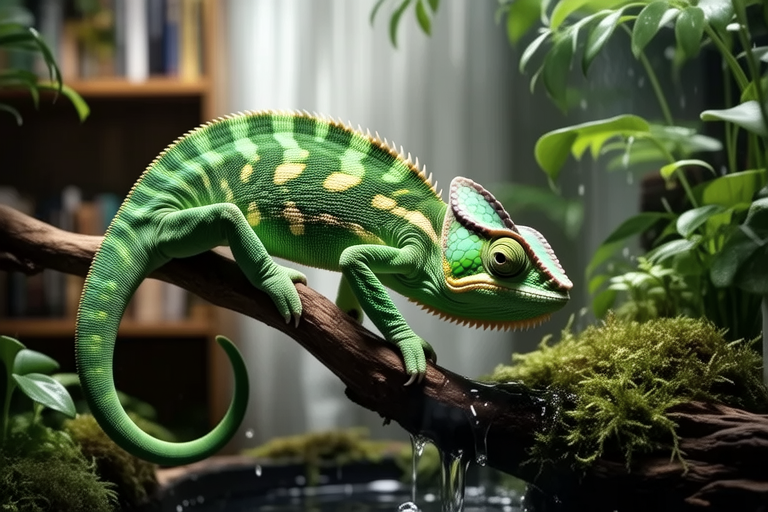
How Your Living Room Can Become a Chameleon’s Dream Habitat
Chameleons are fascinating creatures with unique needs that must be met to ensure their well-being. Turning your living room into a chameleon’s dream habitat requires careful planning and attention to detail. This guide will walk you through creating a stimulating, safe, and healthy environment for your scaly friend.
Understanding the Essentials: Temperature, Humidity, Lighting, and Space
The first step in creating a chameleon-friendly living room is understanding the essentials they need: temperature, humidity, lighting, and space. Chameleons are ectothermic, meaning they rely on external sources for warmth. The optimal temperature range for most chameleon species is between 75°F and 90°F (24°C to 32°C). It’s crucial to provide both a warm basking spot and cooler areas within the enclosure.
Humidity plays a significant role in maintaining a chameleon’s respiratory and skin health. The ideal humidity level ranges from 40% to 60%. To achieve this, consider misting systems or humidifiers. However, avoid over-misting, as excessive moisture can lead to mold growth and respiratory infections.
Lighting is another critical factor. Chameleons require UVB light to synthesize vitamin D3, which aids calcium absorption. A full-spectrum UVB bulb should be placed within 12 inches of the basking spot. Additionally, provide a heat lamp for basking. The combination of UVB and heat lamps simulates the sun’s rays, ensuring your chameleon receives the necessary light spectrum.
Space is essential for your chameleon’s physical and mental health. Chameleons are arboreal creatures, meaning they prefer vertical spaces. Ensure the enclosure is tall enough to accommodate branches and vines for climbing. A minimum height of 4 feet is recommended for adult chameleons. The width and depth should be at least 2 feet each to allow for ample movement.
Mimicking Their Natural Environment with Plants and Decorations
To create a more naturalistic environment, incorporate live or artificial plants. Live plants offer benefits like fresh air and hiding spots but require regular maintenance. Some popular choices include Ficus benjamina (weeping fig), Schefflera arboricola (umbrella tree), and Pothos. These plants thrive in similar conditions as chameleons and provide additional enrichment.
Artificial plants are a low-maintenance alternative, especially if you’re concerned about pesticides or the risk of your chameleon ingesting harmful chemicals. Opt for silk plants made from non-toxic materials. Decorative vines, branches, and rocks add visual interest and provide climbing opportunities. Ensure all decorations are securely fastened to prevent accidents.
Consider adding a water dish or dripper system to simulate rain showers. Chameleons drink by licking droplets off leaves, so providing a consistent water source is vital. Place the water source near the top of the enclosure to encourage climbing and drinking behavior.
Maintaining Cleanliness and Safety Within the Living Room Setup
Regular cleaning is crucial to maintain a healthy environment. Spot clean daily by removing feces and uneaten food. Perform a thorough cleaning once a week, replacing substrate and disinfecting surfaces. Use reptile-safe cleaning products and rinse thoroughly to remove any residues.
Safety is paramount. Ensure there are no gaps or openings where your chameleon could escape or injure itself. Avoid placing the enclosure near windows or direct sunlight, as it can cause overheating. Install a secure lid or mesh cover to prevent escapes and protect your chameleon from household dangers.
Supervise children and pets when they are around the enclosure. Chameleons are delicate animals, and rough handling can cause stress or injury. Teach children to respect the chameleon’s space and interact gently.
Selecting Toys and Accessories to Stimulate Activity and Mental Health
To keep your chameleon mentally and physically stimulated, provide toys and accessories that encourage exploration and exercise. Branches of varying diameters and textures offer different climbing challenges. Introduce hanging toys or mobiles that mimic insects, encouraging your chameleon to chase them.
Consider installing a misting system to simulate rainfall, promoting natural behaviors like drinking and bathing. Puzzle feeders or foraging toys can make mealtime more engaging, encouraging your chameleon to hunt for its food.
Rotate toys and decorations periodically to keep the environment fresh and exciting. This helps prevent boredom and promotes mental stimulation. Observe your chameleon’s preferences and adjust the setup accordingly.
The Importance of Research and Consultation with Experts
Before setting up your chameleon’s habitat, conduct thorough research to understand the specific needs of your species. Different chameleon species have varying requirements regarding temperature, humidity, and lighting. Consult reputable resources, books, and online forums for guidance.
Reach out to veterinarians specializing in reptiles or local reptile experts for personalized advice. They can provide valuable insights based on their experience and knowledge. Regular check-ups with a reptile veterinarian are essential to monitor your chameleon’s health and address any concerns promptly.
Join local or online reptile communities to connect with fellow enthusiasts. These groups offer support, share experiences, and provide tips on caring for chameleons. Engaging with others who share your passion can enhance your knowledge and enjoyment of your pet.
In conclusion, transforming your living room into a chameleon’s dream habitat requires careful consideration of their unique needs. By focusing on temperature, humidity, lighting, and space, incorporating naturalistic plants and decorations, maintaining cleanliness and safety, and providing stimulating toys and accessories, you can create an enriching environment for your scaly companion. Remember to prioritize research and consultation with experts to ensure your chameleon thrives in its new home.
